When bringing new heating gear into your living space, family safety must come first. Homeowners want the relaxing vibe of a glowing fire without bringing fire dangers or bad air into their homes. Modern manufacturing standards make current room heaters safer and easier to run than older designs ever were.
Knowing proper hookup steps, electrical limits, and wall clearance rules keeps your new setup running smoothly. Whether hanging a unit flat on drywall or recessing it into a custom frame wall, following simple safety steps protects your property and preserves your investment for years to come.
Why Safety Makes an Electric Fireplace the Best Choice
Traditional wood burning boxes carry regular safety worries like open flames, popping embers, scorching metal grates, and indoor smoke buildup. In comparison, an Electric Fireplace gives property owners a completely safe setup for busy family spaces. Front glass panels stay completely cool to the touch even while internal blowers push warm air across the floor.
That cool touch glass makes electric setups wonderful for homes filled with playing children or curious pets. You never have to stress about touch burns or stray sparks hitting floor rugs. Furthermore, because these units operate without open fire, they do not consume room oxygen or release toxic carbon gases into your bedrooms.
Critical Safety Steps for Appliance Installation
- Plug room heaters straight into grounded wall outlets.
- Skip using light extension cords that could overheat under continuous loads.
- Keep clear space around hot air blower vents according to manual rules.
- Position fabric curtains and soft paper items away from heat blowers.
Proper Placement for a Traditional Fireplace Unit
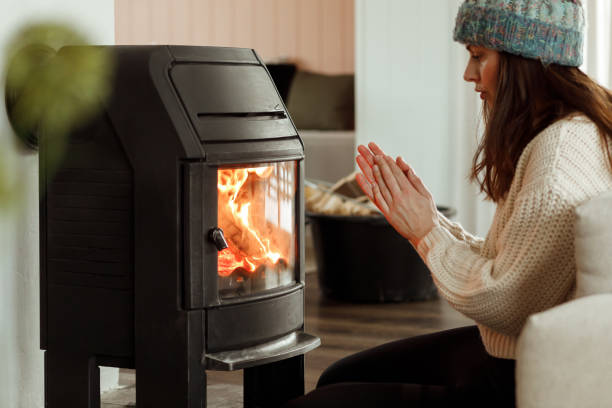
For homeowners putting in gas units or heavy built in appliances, following clear clearance rules is critical. Making sure framing surrounds use non burning materials like fiber cement board, stone, or ceramic tile keeps internal wall studs safe from heat transfer.
Mounting a traditional Fireplace safely inside a wall requires qualified installer skills. Certified technicians verify that gas lines, power wires, and exhaust vents match local safety codes. Paying for expert installation guarantees long term safety and protects your property insurance coverage.
Simple Routine Safety Inspection Checklist
- Check power cords regularly for fraying, wear, or pinching.
- Test automatic overheat shutoff switches to confirm safety systems work.
- Vacuum air intake vents regularly to clear out dust and pet hair.
- Schedule yearly maintenance checks with certified gas technicians.
Ensuring Safe Outdoor Heating and Cooking Solutions
Safety protocols matter just as much out on your back patio deck. When setting up outdoor fire tables, radiant posts, or built in barbecues, picking flat ground stops accidental tipping hazards. Always confirm fuel valves are shut off tight when outdoor gear is not in use.
Matching safe outdoor warmers with sturdy patio furniture creates a secure area for weekend family meals. Weather covers keep outdoor gear clean and dry between uses. Putting safety first lets everyone kick back and enjoy open air dining with total peace of mind.
Conclusion
Building a warm home environment should never compromise daily family safety. Current heating choices give you great visual warmth and strong performance while building in smart safety features. Following basic setup rules and checking gear regularly lets you enjoy a glowing hearth for years to come.